 ultimate-guide
Benefits of Pre-Planning Funeral Services for Families
Last Updated: November 7, 2026
Quick Summary
Pre-planning funeral arrangements means making decisions about a funeral or cremation in advance, while you can still make them yourself. Planning spares loved ones from deciding under grief and pressure, and it can settle questions of preference before they cause family disagreement. Pre-planning does not require paying anything up front.
- Pre-planning and pre-paying are separate decisions; you can plan without paying anything.
- A written record of preferences gives families concrete guidance instead of guesswork during grief.
- Decide burial or cremation first, since it shapes every decision that follows.
- Read any prepaid contract for refund, cancellation, and portability terms before signing.
- Military veterans receive a 10% discount on services at Bravo Family Mortuary in San Diego.
Table of Contents
- What Pre-Planning Funeral Services Actually Means
- Emotional Relief and Clearer Decisions for Loved Ones
- Recording Your Wishes: Burial, Cremation, and Service Preferences
- Pre-Planning Funeral Costs and Locking In Today's Prices
- The Disadvantages of Prepaid Funerals and Other Trade-Offs
- A Funeral Pre-Planning Checklist and Printable Worksheet
- Scheduling Your Pre-Planning Appointment in San Diego
- Frequently Asked Questions
What Pre-Planning Funeral Services Actually Means
Pre-planning a funeral means making the decisions about a funeral or cremation in advance, while you are able to make them yourself. For a fuller explanation of California pre-planning arrangements, this guide covers how they work from start to finish.
Many people assume that planning ahead requires writing a check. In practice, the planning conversation covers preferences, not money: the type of service, the location, who should be notified, and what religious or personal traditions should be followed.
Pre-planning conversations can cover the following:
- Choosing between burial and cremation
- Recording the type of service you would like, including any memorial or celebration of life
- Naming the people who should be contacted and who should make decisions
- Noting religious, cultural, or personal traditions to follow
- Deciding whether to lock in today's prices through a prepaid arrangement
You can start with the planning conversation and decide about prepaying later. Our Pre-Planning Funeral Costs guide for San Diego families walks through what local pricing looks like before you commit to anything.
Emotional Relief and Clearer Decisions for Loved Ones
The most immediate benefit of pre-planning is what it does for the people left behind.
A written record of preferences gives families something concrete to follow. Instead of debating whether a relative wanted a burial or cremation, they can refer to a decision that was already made.
Bravo Family Mortuary offers 24/7 availability, so families who need to act immediately after a loss can reach the team at any time. Pre-planning is about the time after that call, when the family can focus on each other instead of on logistics.
Recording Your Wishes: Burial, Cremation, and Service Preferences
Recording your wishes is the core of pre-planning. Decide the disposition first, because it shapes every decision that follows. Burial and cremation involve different paperwork, different timelines, and different costs, so making the choice in advance spares your family from having to make it under pressure.
Within either choice, you can specify:
- The type of service. A traditional funeral with a viewing, a memorial service without the body present, or a private gathering for immediate family.
- The location. A church, a funeral home, a cemetery, a park, or another venue of personal meaning.
- Readings, music, and speakers. Name a few people you would like to speak, and note any music or readings that matter to you.
- Eco-friendly options. Bravo Family Mortuary offers eco-friendly aquamation services. If you want a natural burial, record that preference too.
- Language and cultural needs. Bilingual staff in English and Spanish are available, and you can note any cultural or faith-based practices your family should observe.
Write these preferences down in a form your family can locate, and tell the people you trust where the record is kept. A preference that exists only in your head does not help anyone.
Pre-Planning Funeral Costs and Locking In Today's Prices
Costs are often the factor that brings people to pre-planning, and they are where the most careful reading is needed. Funeral prices change over time, and some families choose to pre-pay in order to fix the cost of a service at today's rates.
Bravo Family Mortuary states that its pricing is transparent, with no hidden fees, and that clear, upfront pricing is available. Ask for a written breakdown of every line item before you commit to any plan.
Pricing for funeral and cremation services in San Diego is best confirmed directly with the provider. We do not publish a single figure here, because a number that does not reflect your chosen arrangement would mislead you. Federal Trade Commission guidance on planning your own funeral explains the rights consumers have when buying funeral goods and services in the United States.
How Prepaying Actually Locks In a Price
A prepaid funeral plan is a contract: you pay now, and the provider agrees to deliver specified goods and services later. First, a guaranteed price contract fixes the cost of the items listed, so the provider absorbs future increases on those items. Second, a non-guaranteed contract credits your payments toward future prices, which means your family may owe the difference if prices rise. Because the distinction between fixed costs and future-price credits can shape what a family ultimately owes, weighing prepaid plan risks alongside the contract terms helps make the commitment clearer.
A common pattern is that the guaranteed portion covers the funeral home's services and merchandise, while third-party costs such as cemetery plots, opening and closing fees, obituary notices, flowers, and clergy honoraria are excluded. Those excluded items are where families are most often surprised, so list them explicitly in your planning documents.
California Rules for Prepaid Funeral Plans
Prepaid funeral arrangements in California are subject to state regulation. Consumers should confirm how their payments are held and request a written contract before paying.
Before signing any California preneed contract, verify these points:
- Trust funding. Confirm that payments go into a trust account and ask for the name of the trustee. Ask how held funds are protected if the funeral home closes.
- Cancellation and refund terms. Refund terms depend on the contract and how the plan is funded. Read the cancellation clause line by line.
- Portability. Ask whether the plan can be transferred to another provider if you move, and what fees apply. A plan that cannot travel with you is a plan you may have to abandon.
- Insurance-funded plans. If the plan is funded by a life insurance policy rather than a trust, the policy terms govern, and the funeral provider may not be obligated to honor the original price. Ask who owns the policy and who is the beneficiary.
- Provider changes. Confirm what happens if the funeral home is sold or closes.
Watch out: a sales representative who discourages you from reading the contract or who pressures you to sign the same day is a warning sign.
The Funeral Consumers Alliance guide to pre-planning and pre-paying is a useful independent reference for these questions, and the California Cemetery and Funeral Bureau consumer information publishes complaint resources and licensing lookups.
The article breaks down how prepaid funeral plans protect price and where the gaps are, so the key terms are easy to compare side by side.
| Contract type | What it covers | Main risk |
|---|---|---|
| Guaranteed price | Items listed in the contract | Third-party costs are usually excluded |
| Non-guaranteed | Payments credited toward future prices | Family may owe the difference if prices rise |
| Trust-funded | Payments held by a named trustee | Confirm trustee name and fund protection |
| Insurance-funded | Policy governs the plan | Provider may not honor the original price |
The Disadvantages of Prepaid Funerals and Other Trade-Offs
Prepaying is not right for everyone, and it is worth understanding the downsides before you sign anything. Our guide on how to avoid hidden funeral costs shows you how to spot them before committing.
Portability. A prepaid plan is tied to a specific provider.
What is included. A prepaid package may not cover every cost, such as cemetery charges, flowers, or obituary notices.
Changing circumstances. Prices, preferences, and your financial situation can all change over the years.
Public-benefit interaction. A prepaid funeral plan can affect eligibility for some needs-based public benefits.
The Funeral Consumers Alliance guide to pre-planning and pre-paying is a useful independent reference for these questions.
A Funeral Pre-Planning Checklist and Printable Worksheet
Pre-planning is easier when you work through it in steps. Use this funeral planning checklist to organize your decisions and documents. Use this checklist to organize your decisions and documents:
- Decide between burial and cremation
- Choose the type of service (traditional, memorial, private, celebration of life)
- Select a location for the service and the final disposition
- Name the people you want notified and the person who should make decisions
- List readings, music, speakers, and any religious or cultural requirements
Keep a printed copy of this checklist with your preferences, and review it every few years so it stays accurate.
Scheduling Your Pre-Planning Appointment in San Diego
If you are ready to begin, the simplest step is to contact Bravo Family Mortuary and schedule a planning conversation. Reach out through our contact page to book a time that suits you.
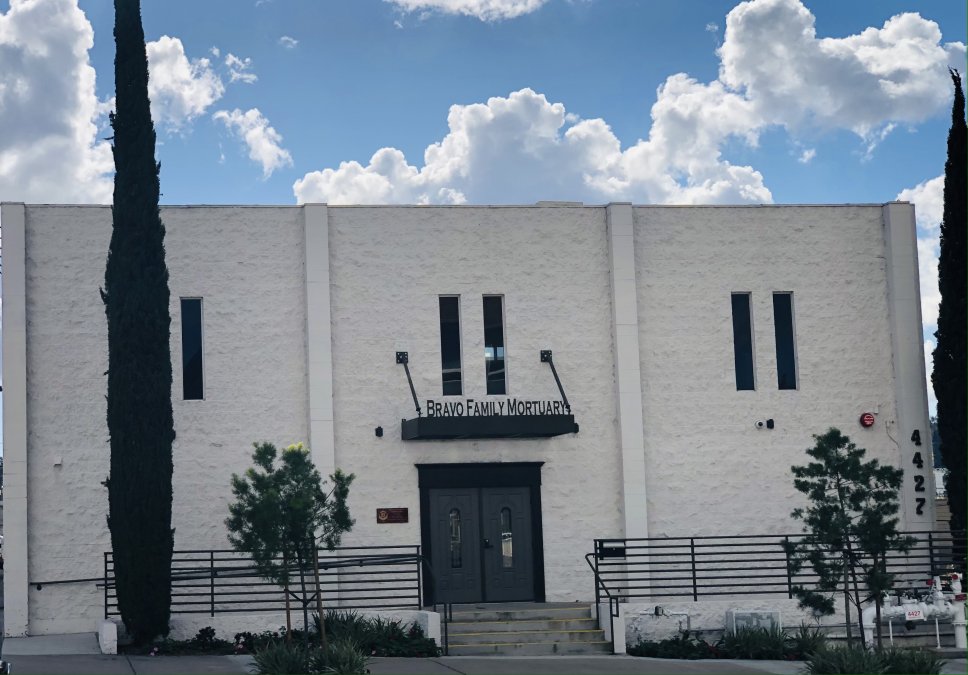
Bravo Family Mortuary is a family-owned, 5-star-rated funeral home conveniently located in the heart of San Diego, and it serves families across San Diego County. [Contact us to schedule your pre-planning appointment | bravofamilymortuary.com] and take the first step toward giving your family clarity and peace of mind.
Ready to start? Arrange your pre-planning consultation online with Bravo Family Mortuary.
Frequently Asked Questions
Is prepaying for a funeral a good idea?
Prepaying can be a good idea for some families, but it depends on your situation. Pre-planning and prepaying are separate decisions. You can record your wishes, choose services, and name a contact without paying anything in advance. If you do prepay, read the contract for cancellation terms, refund rules, and what happens if you move. Ask the provider to put every item and its cost in writing before you sign, and compare that with what you could set aside on your own.
What is the difference between pre-planning and prepaying for a funeral?
Pre-planning means making decisions in advance about burial or cremation, service details, music, readings, and who should be notified. Prepaying means paying some or all of the costs now. You can pre-plan without prepaying, which keeps your money flexible while still giving your family clear instructions. Many people start with pre-planning and decide later whether prepaying makes sense for them.
What should you include in a funeral pre-planning checklist?
A useful checklist covers personal information such as legal name, Social Security number, and date of birth; your choice of burial or cremation; the type of service you want; any religious or cultural preferences; obituary details; the people you want to be notified; and where important documents are kept. Include your military service information if you are a veteran, since it may affect eligibility for benefits and discounts. Review the list every few years and after major life changes.
What are the disadvantages of a prepaid funeral?
The main disadvantages are limited flexibility, unclear contract terms, and the possibility that a plan does not cover everything you expect. Some prepaid plans restrict which provider you can use or make refunds difficult if you move or change your mind. Money paid in advance may be tied up for years, and the terms for transferring a plan between states can vary. Read the cancellation and refund terms closely and ask what happens if the provider closes or is sold.
Can you change your funeral plans after pre-planning?
In most cases, yes. Pre-planned decisions can usually be updated as your wishes change, and it is a good idea to revisit them every few years or after a major event such as a move, a marriage, or a change in health. If you have prepaid, check your contract for how changes are handled, since some items may have restrictions. Keep a copy of your updated wishes with your family and your provider so the latest version is the one that is followed.
How can pre-planning help loved ones make decisions?
When you record your preferences in advance, your family does not have to guess what you would have wanted during a difficult time. They can focus on saying goodbye rather than making dozens of decisions under pressure. Written instructions about burial or cremation, the type of service, and the budget reduce conflict among relatives and give everyone a shared reference point.
What questions should you ask before choosing a funeral pre-planning provider?
Ask whether the price is itemized in writing and whether it can be locked in, and what the provider charges for services outside the contract. Ask about cancellation and refund policies, what happens if you move, and how your plan is stored and transferred. Confirm the provider's license and whether it follows applicable federal funeral rules. Ask how family members can access your instructions and how quickly the provider can respond after a death, including outside business hours.