 ultimate-guide
Pre-Planning Funeral Arrangements in California: A 2026 Guide
Table of Contents
- Why Pre-Planning Funeral Arrangements Matters
- Creating Your Funeral Wishes Checklist
- Essential Funeral Planning Documents You'll Need
- Questions to Ask a Funeral Home Before Pre-Planning
- How to Pre-Plan Cremation in San Diego
- Legal and Financial Considerations for Pre-Planning
- Communicating Your Pre-Planning Decisions to Family
- Frequently Asked Questions
Last Updated: October 17, 2026
Why Pre-Planning Funeral Arrangements Matters
Pre-planning funeral arrangements is one of the most compassionate decisions you can make for your family. When you take time to document your wishes in advance, you remove the burden of guessing what you would have wanted during an already overwhelming time. At Bravo Family Mortuary, a family-owned funeral home conveniently located in the heart of San Diego, we've seen firsthand how pre-planning brings genuine peace of mind.
The reality is simple: grief clouds judgment. When families are grieving, they often make decisions under time pressure that don't reflect their values or budget. Pre-planning lets you make thoughtful choices when you're calm and clear. You can lock in today's pricing, ensure your wishes are honored exactly as you envision them, and spare your loved ones from difficult decisions at the worst possible time.
Beyond the emotional benefits, pre-planning funeral arrangements offers practical advantages. You can explore options like cremation, traditional burial, eco-friendly services such as green burials, and other meaningful tributes. You control the narrative of your own legacy instead of leaving it to chance.
Creating Your Funeral Wishes Checklist
A funeral wishes checklist becomes your roadmap for end-of-life arrangements. Start by asking yourself fundamental questions: Do you prefer cremation or burial? Would you like a traditional service, a celebration of life, or a small family gathering? What music, readings, or rituals matter to you? What legacy do you want to leave?
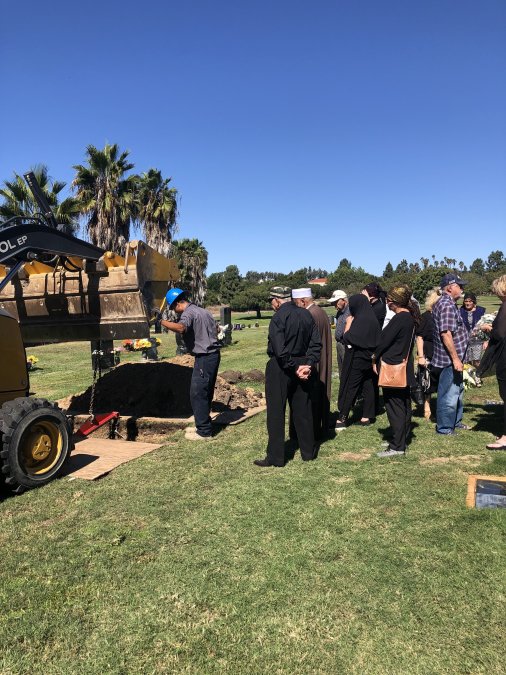
Your checklist should include specific details about the type of service you envision. If you're drawn to cremation in San Diego, consider whether you want the ashes scattered at a meaningful location, placed in an urn, or divided among family members. If you prefer burial, think about cemetery preferences and whether you want a headstone or marker.
Document practical preferences too: your choice of casket or urn style, flowers or charitable donations in your name, specific people you'd like to speak, and any religious or cultural traditions that matter to you. Include your preference regarding viewing or visitation hours, and whether you want an obituary published and where.
Essential Funeral Planning Documents You'll Need
Proper documentation transforms pre-planning from a conversation into a legal commitment. The most important document is your will, which outlines your overall estate and can include funeral preferences. However, a will alone isn't sufficient for funeral pre-planning.
You'll also need a funeral prearrangement agreement, which is a binding contract with your chosen funeral home specifying exactly what services you want and what you've paid for in advance. According to the FTC's Funeral Rule, funeral homes must provide itemized pricing and written agreements for all prearranged services.
A healthcare power of attorney or healthcare proxy document designates someone to make medical decisions on your behalf if you become unable to do so. While not strictly a funeral document, it ensures your end-of-life medical wishes are honored before funeral arrangements become necessary.
Consider creating a personal information document that lists your financial accounts, insurance policies, passwords, and contact information for people who should be notified. This reduces stress for your family during an already difficult time. You should also gather or create documents related to any veteran status, organizational memberships, or other affiliations that might qualify you for special honors or services.
Questions to Ask a Funeral Home Before Pre-Planning
Choosing the right funeral home is as important as the pre-planning process itself. When you contact a funeral home, ask clear questions that reveal their approach and values. Start with the basics: Are you licensed by the state? Can you provide references from recent families you've served?
Ask specifically about pricing transparency. Request an itemized price list for all services and merchandise. A reputable funeral home, like Bravo Family Mortuary, provides upfront pricing with no hidden fees. Ask whether prices are guaranteed if you prearrange services and whether those prices are locked in regardless of inflation.
Inquire about the range of options available. Can they accommodate cremation, traditional burial, and eco-friendly alternatives? Do they offer customizable services that reflect your values? If you're environmentally conscious, ask about aquamation or green burial options. If you're a veteran, confirm they understand veteran benefits and can help you access them.
Ask about their process for handling arrangements after death. How do they communicate with families? Can arrangements be completed online? What's their availability, do they truly operate 24/7, or are there limited hours? For families in San Diego County, accessibility and responsiveness matter tremendously during crisis moments.
How to Pre-Plan Cremation in San Diego
Cremation is increasingly chosen by San Diego families for its flexibility and environmental considerations. Pre-planning cremation in San Diego requires understanding both the process and your options for what happens to the ashes afterward.
When you prearrange cremation, you'll decide on several details. First, do you want a service before or after cremation? Some families hold a memorial service with the body present, then proceed with cremation. Others skip a formal service or hold a celebration of life gathering without the body present.
Next, consider what you want done with the ashes. Some families choose scattering at a meaningful location, perhaps a favorite San Diego beach, hiking trail, or park. Others prefer an urn for the home or columbarium placement at a cemetery. Some families divide ashes among multiple family members.
Ask your funeral home about their crematory practices. Do they use identification systems to ensure your remains are handled with proper dignity throughout the process? What's their timeline from death to cremation to return of ashes?
If you're environmentally conscious, ask about water cremation (aquamation), which uses water and alkaline chemistry instead of flame. This option offers a gentler environmental footprint than traditional flame cremation.
Legal and Financial Considerations for Pre-Planning
Pre-planning funeral arrangements involves legal and financial decisions that deserve careful attention. One critical consideration is whether to prepay for services. Prepayment locks in today's prices, protecting you from future inflation.
Ask your funeral home about their prepayment options. Many funeral homes offer trusts where your money is held in a dedicated account and released only when services are provided. Others use insurance-funded prearrangement plans. Each approach has different implications for your estate and beneficiaries.
Consider consulting with an elder law attorney or estate planning professional about how funeral prearrangement fits into your overall estate plan. If you've already created a will or trust, your funeral prearrangement should complement those documents rather than conflict with them.
Document where you've stored your prearrangement agreement and any prepayment receipts. Make sure your family members know where to find these documents. Many families keep copies in a safe deposit box, with their attorney, or with a trusted family member.
If you're a veteran, explore what benefits you may qualify for. Many veterans receive burial benefits, and some funeral homes, including Bravo Family Mortuary, offer a 10% discount on services for military veterans. These benefits can significantly reduce the financial burden on your family.
Communicating Your Pre-Planning Decisions to Family
Pre-planning only works if your family knows about it. Many people complete all the paperwork and then never tell anyone where it's stored or what they've decided. This defeats the entire purpose.
Start by having an open conversation with your closest family members. Explain why you've chosen to pre-plan and what you hope to accomplish. Share your funeral wishes checklist and walk them through your decisions. Explain where you've stored your prearrangement agreement and any prepayment receipts.
Consider creating a letter of instruction that goes beyond legal documents. In your own words, explain your values, what matters most to you, and why you've made the choices you have.
Store copies of your documents in multiple places. Give one set to your healthcare power of attorney or the family member most likely to handle arrangements. Store another copy in your home in an easily accessible location.
Update your family if your wishes change. Life circumstances evolve, and your pre-planning should reflect your current values and preferences. If you've prearranged services but later want to modify them, communicate those changes to your family and update your documentation.
Pre-planning funeral arrangements in California gives you control over one of life's most significant decisions. Whether you're exploring cremation options, eco-friendly services, or traditional arrangements, our compassionate team is ready to help you create a pre-planning arrangement that honors your values and protects your family. Reach out to Bravo Family Mortuary to begin your conversation today.
Frequently Asked Questions
How do I pre-plan a funeral in California?
Pre-planning a funeral in California involves selecting a funeral home, deciding on burial or cremation, choosing a service type, and completing necessary paperwork. You'll work with the funeral home to document your wishes, select a casket or urn if desired, and arrange payment options. Many families complete this process in person or online. A family-owned funeral home can guide you through each step at your own pace, answering questions about California-specific regulations and options.
What documents should I gather for funeral pre-planning?
Key funeral planning documents include your birth certificate, Social Security card, military discharge papers (if applicable), insurance policies, financial account information, and any existing will or trust. You'll also want to document your preferences for service type, burial or cremation location, religious or cultural wishes, and designated contacts. Keeping these documents organized and accessible to your family ensures the pre-planning process moves smoothly and your wishes are clearly understood.
Can I pre-plan a cremation in San Diego?
Yes, you can pre-plan cremation in San Diego, and many families choose this option for its flexibility and cost considerations. During pre-planning, you'll select cremation services, choose an urn or scattering location, and decide whether to hold a memorial service. Pre-planning allows you to explore options like water cremation if you're interested in eco-friendly alternatives. A local funeral home can explain each option and help you lock in your choices.
Does pre-planning a funeral mean I have to pay in advance?
Pre-planning does not require advance payment. You can arrange and document your wishes without paying upfront. However, some families choose to pre-fund their arrangements to lock in current pricing and ease the financial burden on their family later. Payment options vary by funeral home. When you pre-plan, ask about flexible payment arrangements and whether prices are guaranteed if you prepay, ensuring you understand all options before deciding.
What questions should I ask a funeral home before pre-planning?
Ask about pricing transparency and whether all fees are listed upfront. Inquire about service options, including traditional funerals, cremation, and eco-friendly choices. Confirm their availability for 24/7 arrangements and whether they offer online planning. Ask about their experience with cultural or religious preferences, bilingual support if needed, and any discounts available. Also ask how long pre-plans remain valid and whether you can modify your choices later.
Can I change my funeral plans after making them?
Yes, you can change your funeral plans after pre-planning. Life circumstances, preferences, and financial situations evolve, and most funeral homes allow modifications. When you pre-plan, confirm the process for updating your arrangements and whether any prepaid funds can be adjusted. Document any changes in writing and ensure your family is aware of the updates. A reputable funeral home will make changes straightforward and transparent.
How can I make sure my family knows about my funeral wishes?
Share your pre-planned funeral arrangements with your family members, executor, or trusted friend. Keep a copy of your wishes in an accessible location, with your will, in a safe deposit box, or with your funeral home. Discuss your choices in person so family members understand your reasoning and feel confident honoring your preferences. Consider creating a funeral wishes checklist that clearly outlines your service type, burial or cremation choice, and any special requests.
What are the benefits of pre-planning funeral arrangements?
Pre-planning reduces stress on your family during grief, ensures your wishes are honored, and often allows you to lock in current pricing. It gives you time to make thoughtful decisions without time pressure and helps your family understand your values and preferences. Pre-planning also simplifies logistics, reduces confusion, and can address specific needs like cultural or religious requirements, eco-friendly options, or veteran services. Starting the conversation early provides peace of mind for everyone.