 How-to
Funeral Director Duties: What Happens When You Plan a Service
Last Updated: November 24, 2026
Quick Summary
A funeral director coordinates every practical detail of a funeral, from the first phone call through final disposition of the body. Their work includes securing the death certificate and permits, transporting the deceased, scheduling the service, and guiding families through disposition choices.
- Funeral directors collect the deceased's basic information and arrange for the body to be moved into the funeral home's care.
- The arrangement meeting is where families choose disposition options and sign the authorization to proceed.
- The director prepares the death certificate and obtains the burial or cremation permit from the county.
- Families should ask for the General Price List in writing and confirm which charges are required versus optional.
- The Federal Trade Commission's Funeral Rule gives families the right to choose only the goods and services they want.
Table of Contents
- What Does a Funeral Director Do When Planning a Funeral?
- What to Expect Step by Step, From First Call to Disposition
- How to Plan a Funeral Checklist for the Arrangement Meeting
- How Many Days Does It Take to Plan a Funeral?
- Choosing the Service Format, Venue, and Date
- Planning a Funeral Service Template: Choosing Ceremony Elements
- What Should I Ask a Funeral Director Before Signing Anything?
- Booking Your Arrangement Meeting with Bravo Family Mortuary
- Frequently Asked Questions
What Does a Funeral Director Do When Planning a Funeral?
A funeral director coordinates every practical detail of a funeral, from the first phone call to the final disposition of the body. At Bravo Family Mortuary, our family-owned team handles the paperwork, logistics, and personal guidance so families can focus on their loss.
Industry data from the National Funeral Directors Association (NFDA) shows that families are shifting toward cremation and more personalized memorials, which changes how services are planned. 2025 NFDA Cremation & Burial Report
Here is what a funeral director typically handles:
- Securing the death certificate and required permits
- Transporting and sheltering the deceased
- Coordinating the service date, time, and location
- Preparing notices and obituaries
- Working with clergy, officiants, and cemeteries
- Guiding families through disposition choices
What to Expect Step by Step, From First Call to Disposition
Most families start with a single phone call, often late at night. A funeral director answers that call and begins the process right away. The sequence below is the common pattern, but the pace depends on the disposition chosen, the county, and how quickly the family can make decisions. Our full San Diego step-by-step planning guide goes deeper into each stage.
-
First call and transfer of the deceased. The director collects basic information, the deceased's full legal name, date of birth, place of death, and the name of the person legally authorized to make arrangements. The director then arranges for the body to be moved into the funeral home's care. If the death occurred at home under hospice care, the hospice nurse typically signs off first; if the death was unattended or the cause is unclear, the county Medical Examiner's office may need to review the case before the funeral home can take custody. That review is one of the most common reasons a first call stretches into a longer wait.
-
Arrangement meeting and authorization. Within a day or two, the family meets with the director, in person at the funeral home, or by phone or video if family members are out of state. The director explains the General Price List, walks through disposition options, and obtains signed authorization to proceed. This is also when the family names the legally authorized representative who will sign the death certificate and cremation or burial permits.
-
Paperwork and permits. The director prepares the death certificate using information the family supplies and files it with the county. The director also obtains the disposition permit, a burial permit for interment, or a cremation permit that the county issues before the crematory can proceed.
-
Service planning and scheduling. The family chooses the service format, venue, and date. The director then coordinates with the officiant, the cemetery or crematory, and any musicians, caterers, or rental vendors.
-
Visitation, ceremony, and final disposition. The director oversees the viewing or visitation, the ceremony itself, and the committal or cremation. After disposition, the director files any remaining records and orders death certificates for the family, typically several copies, since banks, insurers, and government agencies each want an original.
Every family moves at a different pace. Some families finish all arrangements in a few days, while others need more time to make decisions. Our team is available 24/7, so calls received late at night or on weekends are answered. As arrangements take shape, ordering sympathy tributes can be one thoughtful way to help family and friends express their support.
How to Plan a Funeral Checklist for the Arrangement Meeting
The arrangement meeting is where most decisions happen. Preparing a short checklist ahead of time helps families stay focused and shortens the meeting. Families who want to begin with paperwork can read how to plan arrangements online before they sit down.
Bring these items to the meeting:
- The deceased's full legal name, date of birth, and Social Security number
- The deceased's parents' names, including mother's maiden name (the death certificate asks for this)
- Veteran discharge papers, if applicable (Bravo offers a 10% discount on services for military veterans)
- Any pre-planning documents, prepaid funeral contracts, or written wishes
- A list of family members who need to attend or speak, and the name of the person authorized to sign documents
- Religious or cultural requirements for the service, including language preferences
- Questions about the General Price List and which charges are required versus optional
If a document is missing, do not delay the meeting. A grieving-family planning checklist lists the items other families have found most useful to gather in advance. Bringing a photo of the deceased and a favorite song or reading also helps the director shape a service that feels personal rather than generic.
Ask the director to explain each cost before you agree to anything. The Federal Trade Commission's Funeral Rule requires funeral homes to provide an itemized General Price List, and it gives families the right to choose only the goods and services they want (the FTC). FTC Funeral Rule guidance Useful questions include: What is included in the base service fee? Which costs are optional, and what do they add? Can you show me the General Price List in writing? Are there additional fees for transportation or paperwork? Can I lock in today's prices through pre-planning?
Bravo Family Mortuary provides transparent, upfront pricing, and pre-planning lets families lock in today's prices. For current pricing, please visit our Funerals page or contact us directly.
How Many Days Does It Take to Plan a Funeral?
The timeline depends on the disposition chosen, the availability of the venue and clergy, and how quickly the family makes decisions.
A director can usually guide families through these steps without delay. Our team works around the clock, so calls received late at night or on weekends still get an immediate response.
Choosing the Service Format, Venue, and Date
Each format changes the venue, timing, and cost. Families who want to understand pre-planning options can review what those arrangements involve before deciding.
Consider these questions when choosing:
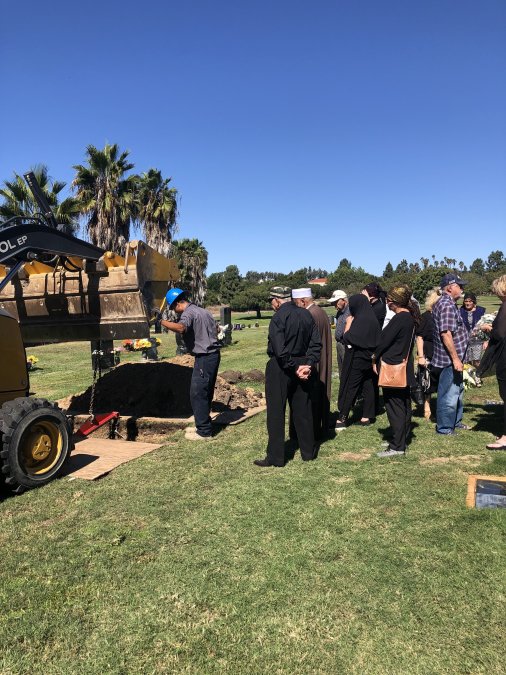
- Will the body be present, or is cremation planned before the service?
- Do you want a church, a funeral home chapel, or an outdoor location?
- How many guests do you expect?
- Does your faith tradition set a required timeframe?
Bravo Family Mortuary has bilingual staff (English/Spanish), so families can plan in the language they are most comfortable using.
Planning a Funeral Service Template: Choosing Ceremony Elements
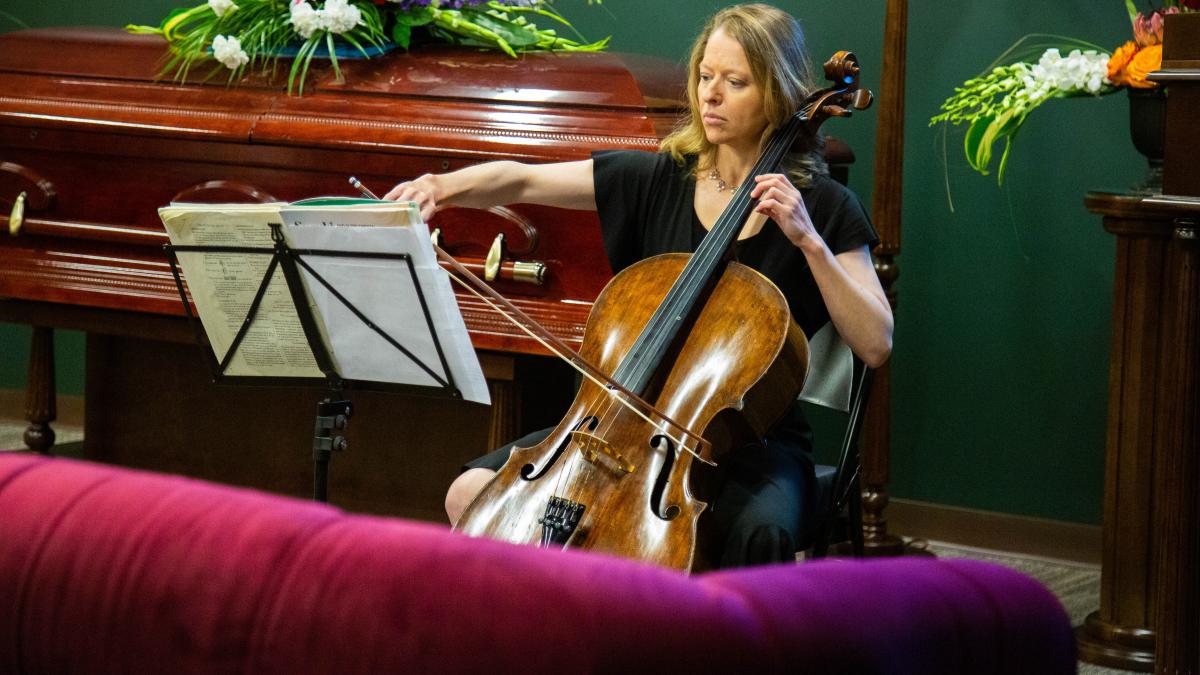
A simple service template helps families decide what to include. Most ceremonies follow a basic structure with room for personal touches.
A common order looks like this:
- Welcome and opening words from the officiant
- A reading, prayer, or scripture passage
- Remarks from family or friends
- Music, a slideshow, or a video tribute
- Closing words and committal
Families can add personal details, such as a favorite song or a display of photographs. A director can help you decide which elements fit the length of the service.
What Should I Ask a Funeral Director Before Signing Anything?
Ask the director to explain every line of the contract before you sign. Our guide to why funeral costs keep rising explains the pricing factors behind these questions. Clear answers help you avoid surprises later.
Useful questions include:
- What is included in the base service fee?
- Which costs are optional, and what do they add?
- Can you show me the general price list in writing?
- Are there any additional fees for transportation or paperwork?
- Can I lock in today's prices through pre-planning?
Bravo Family Mortuary provides transparent, upfront pricing, and pre-planning lets families lock in today's prices. For current pricing, please visit our Funerals page or contact us directly.
Booking Your Arrangement Meeting with Bravo Family Mortuary
If you are ready to talk through your options, our family-owned team is available 24/7. We are conveniently located in the heart of San Diego and offer a 10% discount for veterans.
You can start arrangements online and complete paperwork and payments from home. Contact us today to schedule a meeting at a time that works for your family.
Frequently Asked Questions
What does a funeral director do when planning a funeral?
A funeral director coordinates the legal, logistical, and personal parts of a funeral. This includes filing the death certificate, securing burial or cremation permits, arranging transportation, scheduling the service with clergy or an officiant, preparing notices and obituaries, and helping the family select a casket or urn. In San Diego County, the director also guides families through the Medical Examiner process when a death is referred. The family makes the decisions, and the director carries out the logistics so the family can focus on remembering their loved one.
How many days does it typically take to plan a funeral?
Most funerals are planned within a few days of the death. The arrangement meeting and service timing depend on the disposition, the availability of the venue and officiant, and whether a Medical Examiner review is required. Some families choose to hold the service later, for example to allow relatives to travel. Pre-planning removes many of these timing decisions in advance.
What should I ask a funeral director at an arrangement meeting?
Ask for an itemized general price list. Bravo Family Mortuary is FTC Funeral Rule compliant. Confirm which services are required and which are optional, how paperwork and payments are handled, and what the timeline looks like from first call through disposition. Ask whether the home can help with Spanish-language support, veteran benefits, or religious and cultural customs. Bring a list of questions so you can compare answers clearly before signing any contract.
What should I bring to a funeral planning meeting?
Bring the decedent's full legal name, date and place of birth, Social Security number, parents' names, marital history, and military discharge papers if the person served. Bring any existing pre-need contract, insurance policy, or prepaid plan details. Having an obituary draft, a list of relatives, and your preferred service date range helps the meeting move quickly. Bring a short list of personal preferences, such as music, readings, or whether a viewing is wanted.